
BS EN ISO 12100:2010
General principles for machinery design, risk assessment and risk reduction. Current and under review at the time this page was updated.
Risk-based machinery safeguarding
A practical overview of the regulations and standards that commonly inform industrial safety fencing, access control and machine guarding decisions.
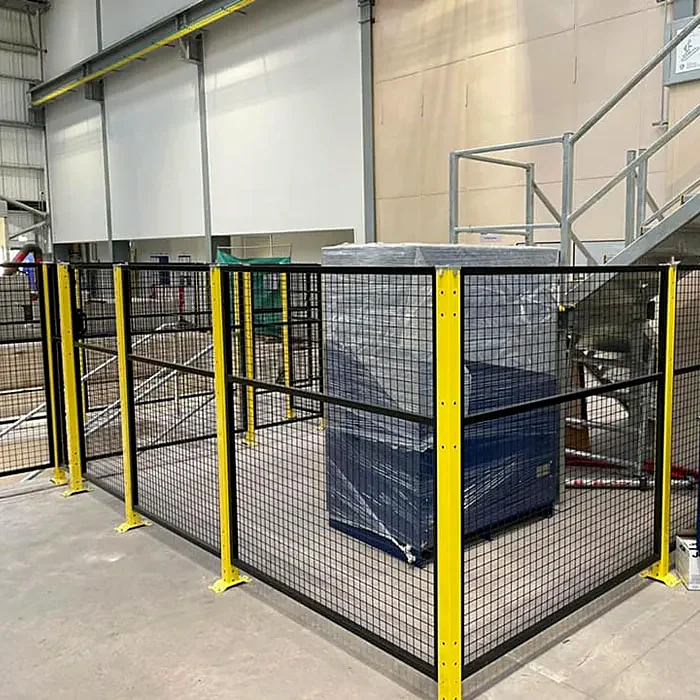
In Great Britain, PUWER requires effective measures to prevent access to dangerous parts of work equipment. Fixed guards are normally preferred where practical; where routine access is required, interlocked guards and sometimes guard locking may be needed. Detailed design should follow a machine-specific risk assessment and the standards applicable to the project.
Start with the hierarchy
HSE guidance describes a hierarchy that begins with fixed guards where practical, then interlocked guards or other protective systems where fixed guarding is not suitable.
The safeguarding concept should follow the machinery risk-reduction hierarchy: consider inherently safer design, then guards and protective devices, then information and procedures for residual risk. Perimeter fencing is one measure within that wider process.
Common reference standards
Applicability and current editions must be confirmed for the specific machine, market and project date. Product-specific Type-C standards may take precedence for particular machinery.
General principles for machinery design, risk assessment and risk reduction. Current and under review at the time this page was updated.
General requirements for the design and construction of fixed and movable guards protecting against mechanical hazards.
Safety distances intended to prevent hazard zones being reached by upper and lower limbs.
Principles for the design and selection of interlocking devices associated with guards, including foreseeable defeat.
Positioning of safeguards in relation to the approach speeds of parts of the human body.
General principles for design of safety-related parts of control systems and required performance levels.
Standards status checked against BSI information on 17 August 2026. Always confirm the latest edition and designation before use.
Safety distances
Safe distance is not a single gap printed on a panel datasheet.
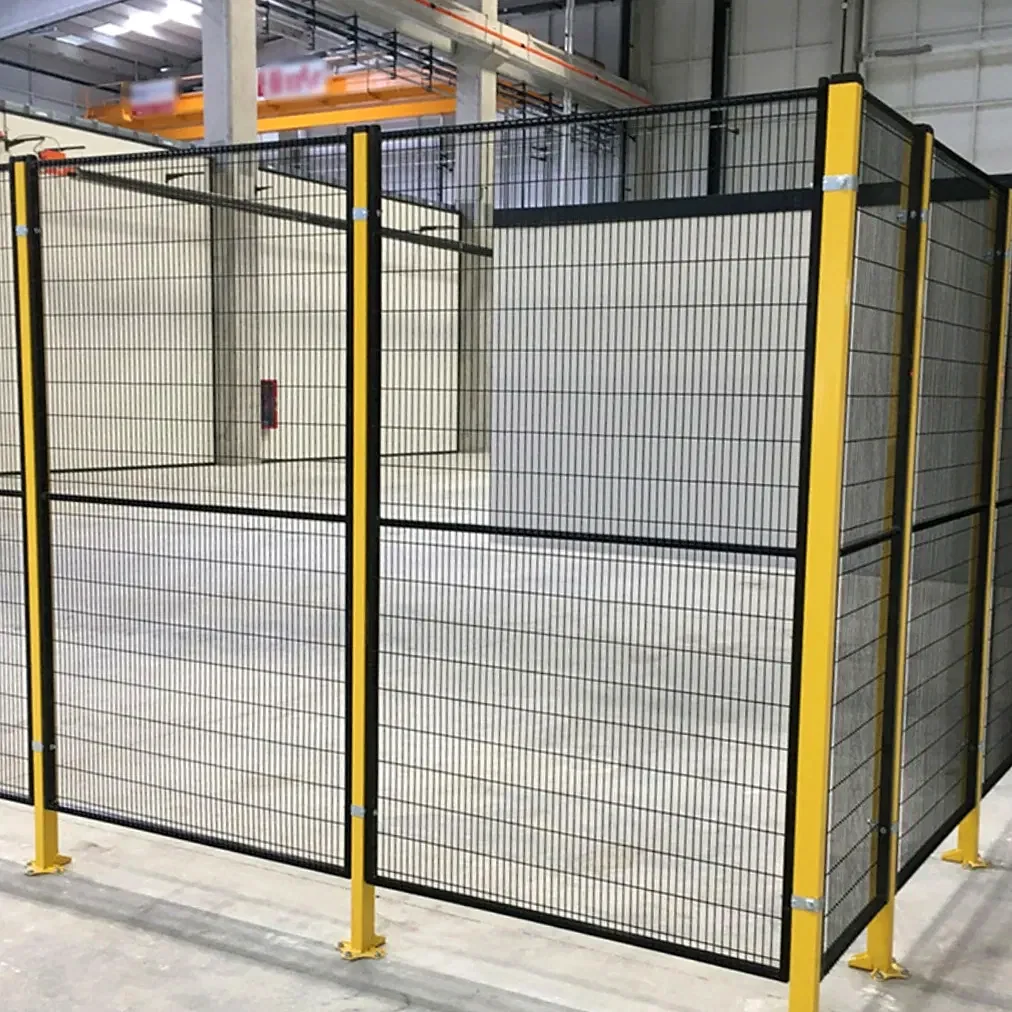
The assessment considers the height of the hazard, height of the protective structure, opening size and shape, likely approach, footholds and additional structures. A small aperture close to a hazard may provide protection where a larger opening would require greater separation.
| Reach over | Relationship between guard height, hazard height and horizontal separation. |
|---|---|
| Reach through | Opening shape and size linked to the minimum distance behind the guard. |
| Reach under | Ground clearance, lower-limb access and floor variations considered. |
| Reach around | Ends, corners, walls, services and adjacent structures closed off effectively. |
| Climbing | Mesh, rails, brackets, nearby equipment and stored items reviewed as possible footholds. |
Interlocked access
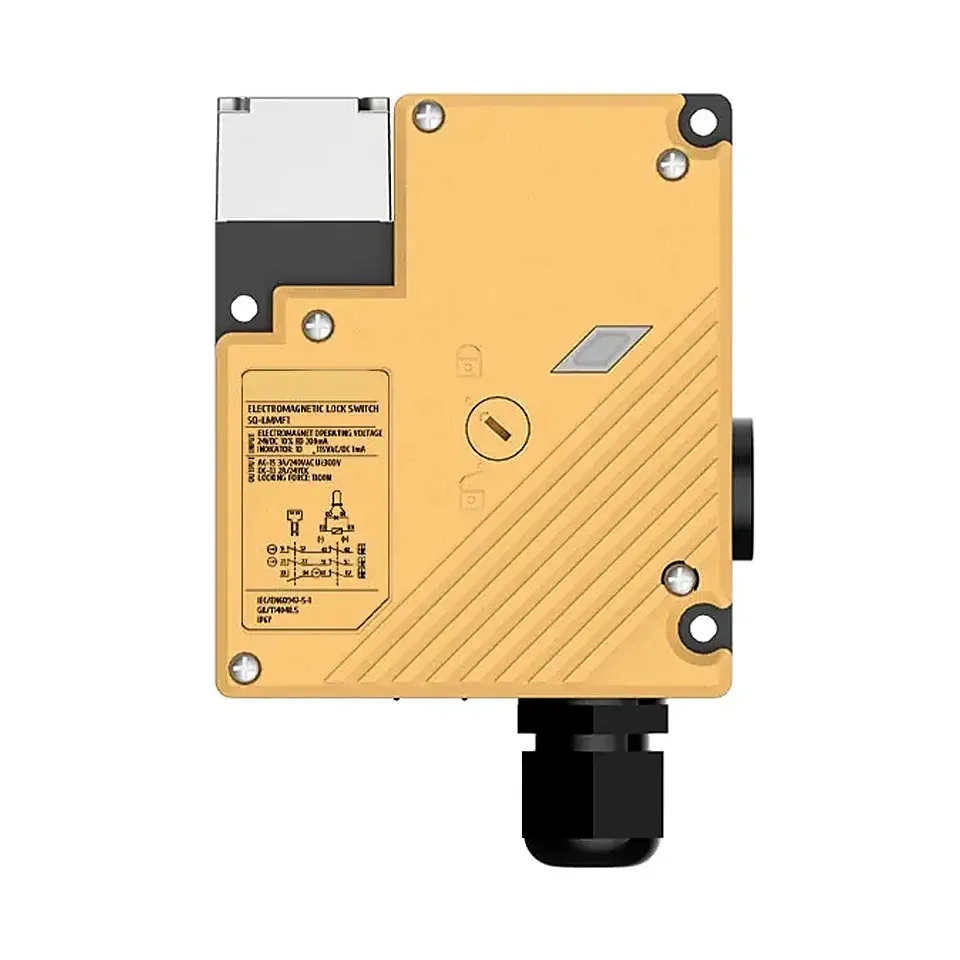
The requirement should state exactly what must stop, what may continue, whether locking is needed and how restart is prevented.
Device selection follows the access frequency, environmental conditions, alignment, coding, expected loads and required measures against defeat. The related safety-control architecture must achieve the required performance and be validated with representative fault and timing tests.
PUWER practical check
HSE guidance also highlights suitable equipment, maintenance, controls, emergency stops where necessary, isolation, training, inspection and safe methods for cleaning or maintenance.
Important scope note
This page provides general technical information and is not a substitute for a suitable and sufficient risk assessment, legal advice, the full text of any standard or verification by the responsible dutyholder. Standards can be revised, amended or replaced. Project proposals should state the assumptions, applicable editions, design boundary, validation scope and any residual actions.
Frequently asked questions
No. Guarding can be an important risk-reduction measure, but PUWER duties cover the suitability, maintenance, controls, isolation, inspection, information, training and safe use of work equipment. The complete machine and workplace arrangements must be assessed by the responsible dutyholder.
BS EN ISO 13857:2019 provides safety distances intended to prevent hazard zones being reached by upper and lower limbs. Its values are applied with a risk assessment and the actual guard opening, reach route and hazard position. Other standards may apply to protective-device positioning.
BS EN ISO 14120:2015 gives general requirements for the design and construction of fixed and movable guards. Interlocking devices are addressed separately, including by BS EN ISO 14119:2025+A11:2026.
Positioning depends on the approach path, device capability and total time for the machine to detect a demand and reach the defined safe state. BS EN ISO 13855:2024 addresses positioning of safeguards with respect to human approach speeds. A measured stopping time may be required.
Responsibility depends on the project, equipment ownership, supply chain and legal role. The dutyholder should ensure a suitable and sufficient assessment is completed by competent people and that responsibilities for the machine, modification and guarding scope are stated clearly.
Start with the hazard and access task
Send a layout, photographs or a short description. Our engineering team can advise whether a desktop review, site survey or defined quotation is the right next step.