
Palletiser & depalletiser cells
Perimeter fencing, controlled entry and pallet interfaces around robotic or conventional load handling.
End-of-line safeguarding · Great Britain
Complete perimeter safety fencing around palletisers, depalletisers, stretch wrappers, conveyors and high-speed packaging equipment—engineered around product flow, operator access and safe restart.
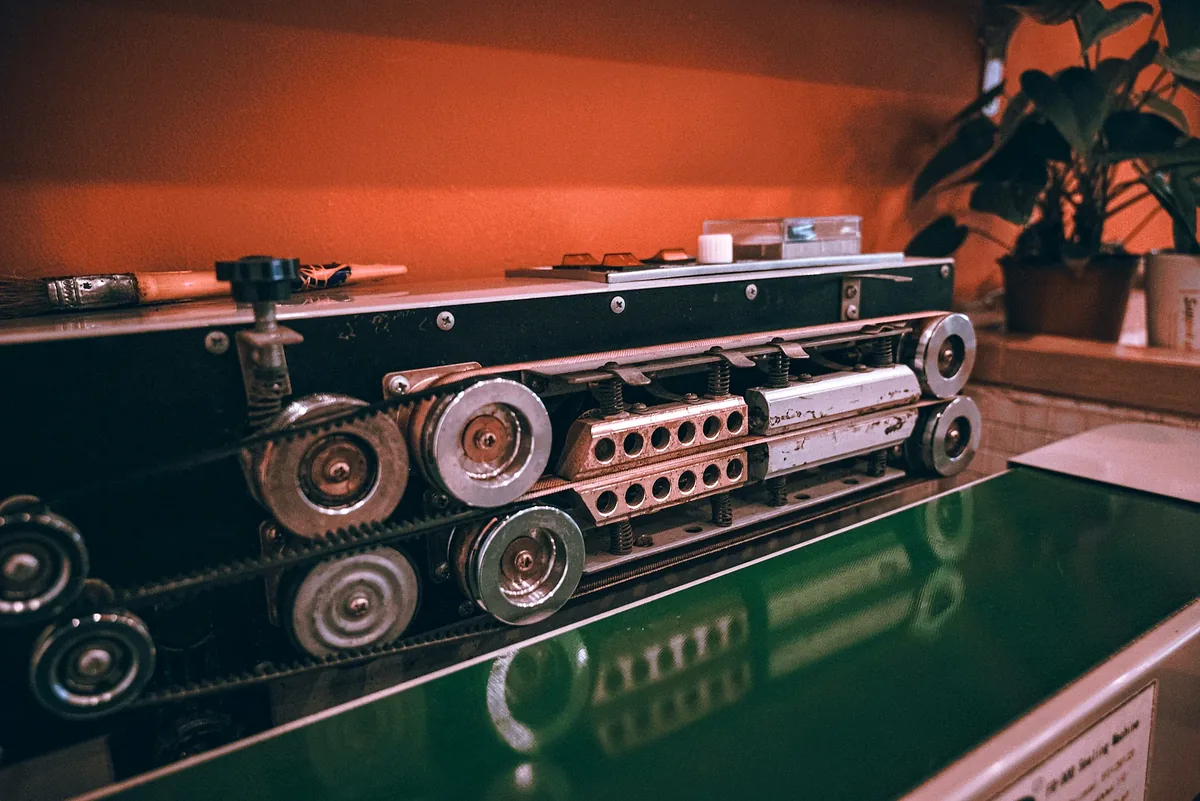
Protect the complete end-of-line process
End-of-line systems combine fast motion, heavy loads and regular intervention. The guard must control entry without blocking normal production.
Oxford Machine Guarding develops the fence line, access gates, pallet openings and related safety functions as one safeguarding system. We consider replenishment, reject handling, label checks, film changes, fault recovery, maintenance and escape before the layout is fixed.
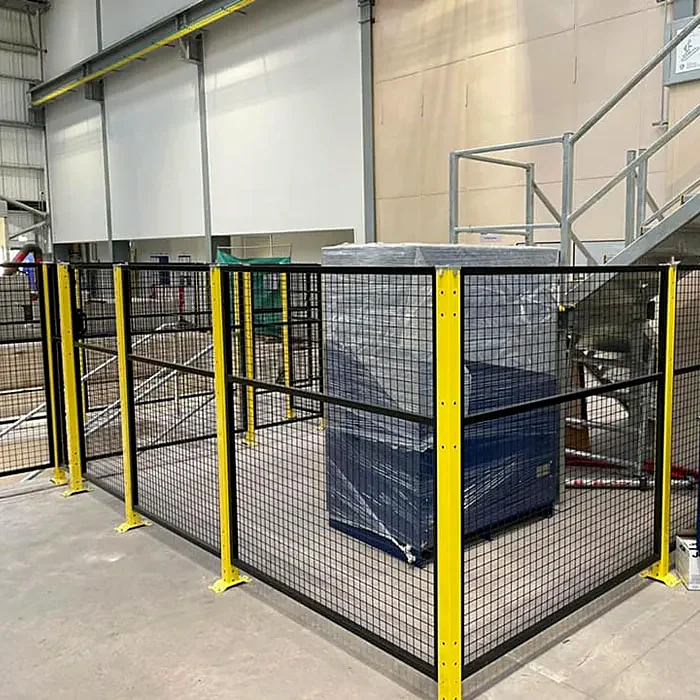
Common guarding zones
A packaging or palletising project can combine several machine types and different access frequencies within one safeguarded area.
Perimeter fencing, controlled entry and pallet interfaces around robotic or conventional load handling.
Tunnels, restricted apertures, infills or protective devices selected around product size and the reach route.
Hinged or sliding gates with monitoring or guard locking matched to the hazard run-down and access task.
Double or sliding openings designed around load width, pedestrian separation and the required safe operating sequence.
Practical access locations that support routine replenishment without creating avoidable production delays.
Survey-led changes around existing controls, services, floor constraints and planned shutdown windows.
Material openings
Pallet and conveyor interfaces need more than a rectangular gap in the fence.
The design considers the smallest and largest load, abnormal product positions, reach over or through the opening, approach routes, sensing coverage, stopping response and the possibility of a person following the product into the cell.
| Load envelope | Pallet, case or product dimensions across every intended format. |
|---|---|
| Access route | Reach, crawl-through and whole-body entry considered for empty and loaded conditions. |
| Transfer method | Conveyor, forklift, AMR/AGV or manual movement coordinated with the guard line. |
| Safe response | Muting, sequencing, stop and restart logic defined before device selection. |
| Recovery | Blocked loads and dropped products handled through a planned safe-access method. |
Quote-ready information
We can often identify the right next step from a short description, photographs and a marked-up plan.
Frequently asked questions
The safeguarded zone can include robotic or conventional palletisers, depalletisers, pallet dispensers, stretch wrappers, conveyors, slip-sheet equipment and transfer stations. The final boundary follows the actual hazards and operating tasks.
Openings may use restricted tunnel geometry, fixed infills, sensing, muting or controlled transfer sequences. The design must pass the product without creating an uncontrolled person-access route.
Yes, where the project provides a defined safe entry method. This may include interlocked or guard-locked gates, stopping and isolation arrangements, escape release, reset position and measures against unexpected restart.
Often, yes. A retrofit survey records the existing machinery, controls, access tasks, stopping behaviour, services and available floor area before the new boundary and safety interfaces are designed.
Useful information includes overall photographs, a line layout, equipment list, pallet and product flow, approximate dimensions, access requirements, stopping information, preferred shutdown window and site location.
Plan the complete safeguarded zone
Send photographs, a layout and the access points you need to preserve. We will advise whether a desktop review or site survey is the most useful next step.