
Hazards and operating space
Hazard locations, maximum movement, tooling, ejection, stored energy and stopping behaviour.
Machine builders · automation integrators
Coordinate machine safety fencing, access points, protective-device interfaces and guarding evidence within the wider automation project.
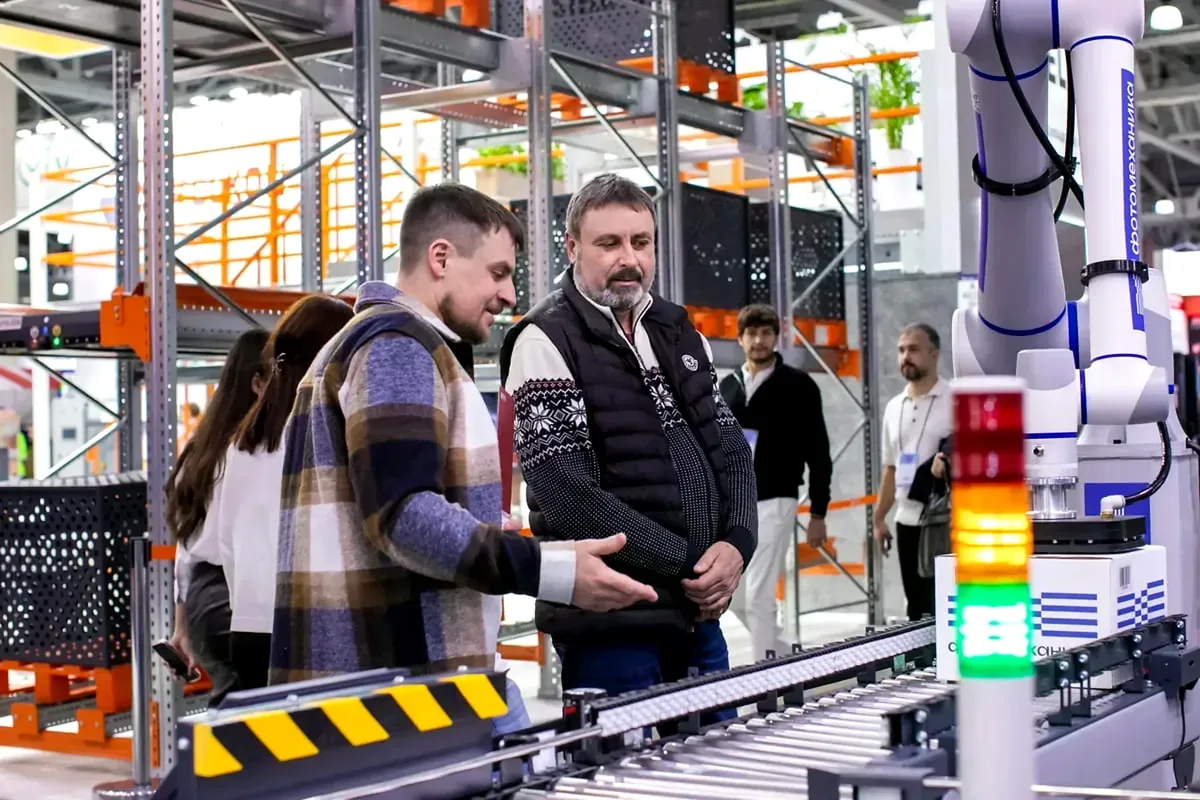
Oxford Machine Guarding can support the guarding workstream within a machine-build or integration project: survey and layout review, perimeter fencing, bespoke interfaces, gates, interlocks, installation and agreed handover evidence. The boundary between our scope and the OEM's complete-machine responsibilities is defined before detailed engineering begins.
Reduce late guarding changes
A guard line influences the cell footprint, operator flow, service access, cable routes, product transfer and commissioning sequence.
We work from the machine hazards and real intervention tasks—not only the space left around the equipment. Early coordination helps identify gates, pallet or conveyor openings, maintenance clearances, escape needs, reset positions and the information required from the machine controls.
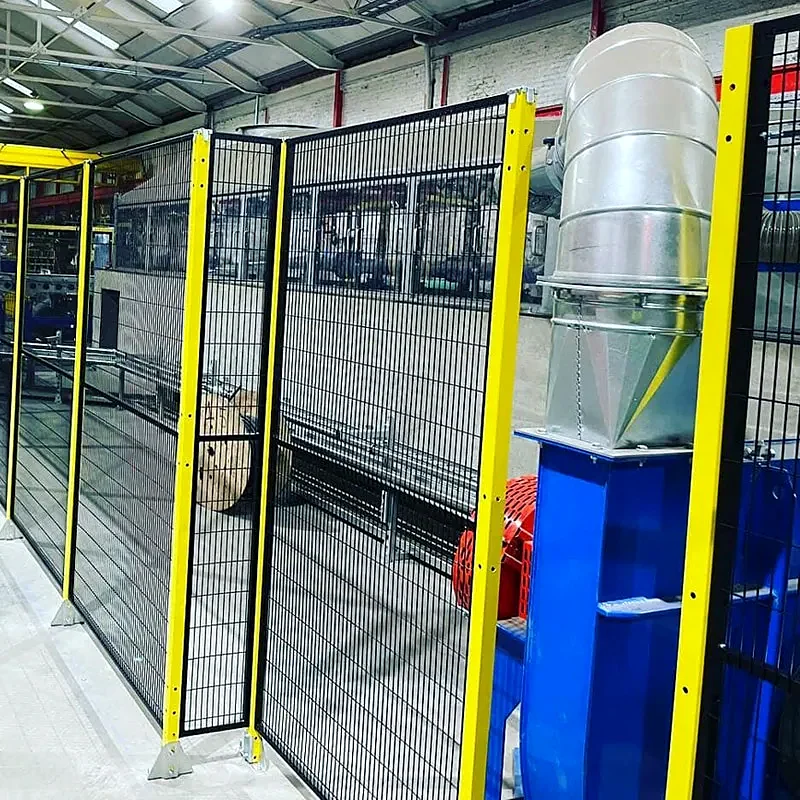
Interface schedule
Clear ownership at each interface reduces assumptions during manufacture, installation and commissioning.
Hazard locations, maximum movement, tooling, ejection, stored energy and stopping behaviour.
Loading, setting, cleaning, fault recovery, inspection, planned maintenance and emergency escape.
Conveyors, pallets, totes, chutes, rejected items and abnormal load conditions crossing the boundary.
Interlocking, guard locking, protective devices, reset, restart and defined safe-state behaviour.
Slab condition, embedded services, columns, cable routes, access logistics and shutdown constraints.
Approval status, revision control, device information, agreed tests, as-built updates and open actions.
Project stages
The right entry point depends on the maturity of the machine and the decisions still available.
A concept review can protect footprint and access early. A later defined package can still resolve a fence, gate or interface—but any constraints and dependencies need to be explicit.
| Concept | Review machine limits, hazard zones, access tasks and the likely guarded footprint. |
|---|---|
| Detailed design | Approve panels, posts, gates, infills, material openings and safety-device interfaces. |
| Pre-installation | Confirm floor readiness, services, delivery route, isolations and installation sequence. |
| Commissioning | Coordinate mechanical checks, safety-function tests, reset behaviour and close-out. |
| Handover | Provide the drawings, records and outstanding actions included in the agreed scope. |
Quotation information
A useful first review does not require a completed technical file.
Machine-builder questions
Early concept or layout stage is usually best because fence position, access gates, product openings, stopping behaviour and service clearances can affect the machine footprint. Support can also begin later for a defined retrofit, site change or unresolved interface.
Yes. A CAD layout is a useful start when it shows machine limits, hazards, operator positions, material flow, maintenance access and surrounding constraints. Final dimensions and site conditions still need verification before manufacture or installation.
The project scope can coordinate mechanical gates with interlocking, guard locking, reset, safety-control interfaces and the required machine response. Responsibilities, performance requirements and validation activities should be agreed before detailed design.
Responsibility depends on the supply contract, the completed assembly, the market and each party's legal role. The OEM, integrator, end user and guarding supplier should record the modification boundary, conformity responsibilities, evidence and exclusions for the specific project.
Yes, subject to an agreed programme, approved layout, site readiness, isolation arrangements and clear access to the work area. Sequencing should protect time for mechanical installation, safety integration, functional testing and close-out.
Machine builder or integrator?
Send the current layout, programme and the interfaces you want Oxford Machine Guarding to own or support.