
Guard coverage and condition
Missing sections, damage, insecure fixings, openings, climb routes and access from above, below, through or around.
Existing machinery and production lines
A practical engineering review of hazardous access routes, existing guards, operator tasks and the improvements needed to build a clear safeguarding scope.
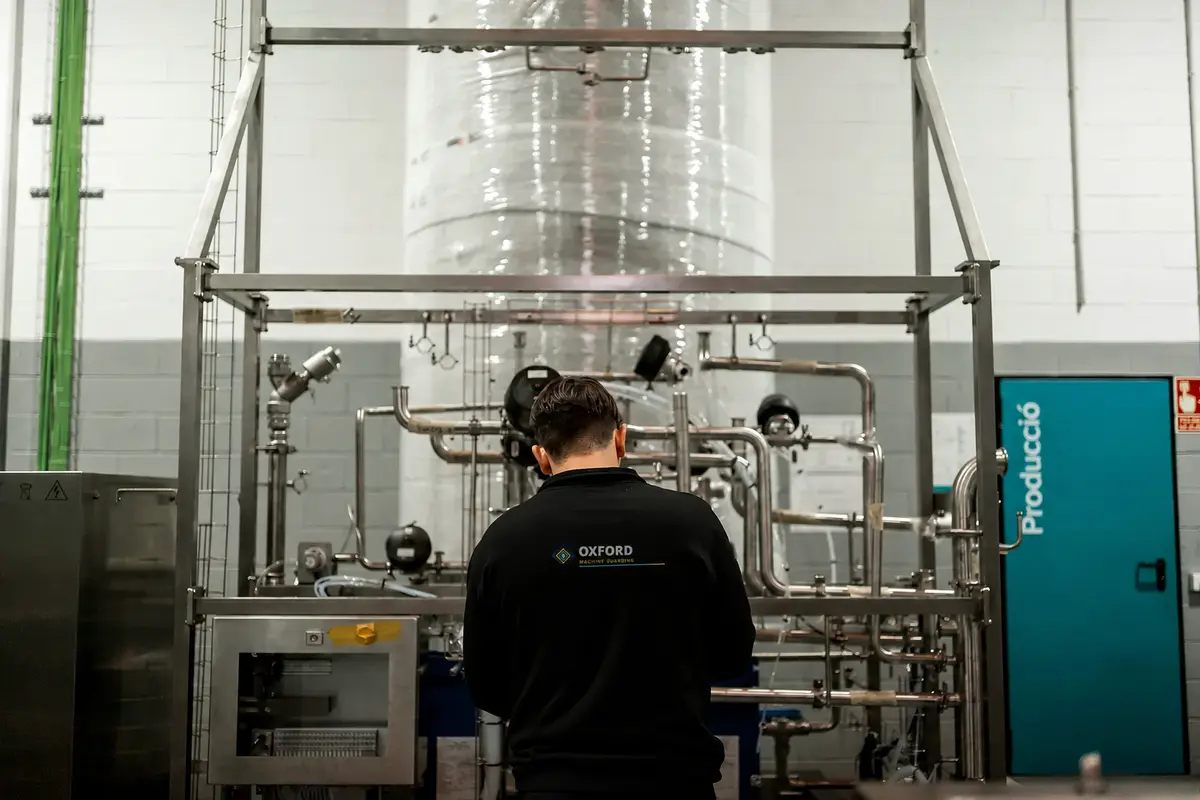
A machine guarding survey records where people can reach or enter hazardous areas, why access is needed, how the equipment stops and whether existing guards and protective devices support those tasks. The output can be a prioritised gap list, guarding concept or quotation scope. It should state clearly whether a full machinery risk assessment or wider PUWER inspection is included.
Turn an open concern into a defined scope
Guarding problems are often found during cleaning, fault recovery, changeover and maintenance—not during the normal production cycle.
We record the machine limits, foreseeable tasks, access routes, existing guard condition, material flow and safety-control interfaces. That evidence supports a practical sequence of actions instead of a generic list that is difficult to price or implement.
Survey scope
The agreed scope depends on whether you need an initial screening, a project-ready specification or support for a wider compliance programme.
Missing sections, damage, insecure fixings, openings, climb routes and access from above, below, through or around.
Loading, setting, cleaning, jam recovery, inspection, tool change and planned maintenance requirements.
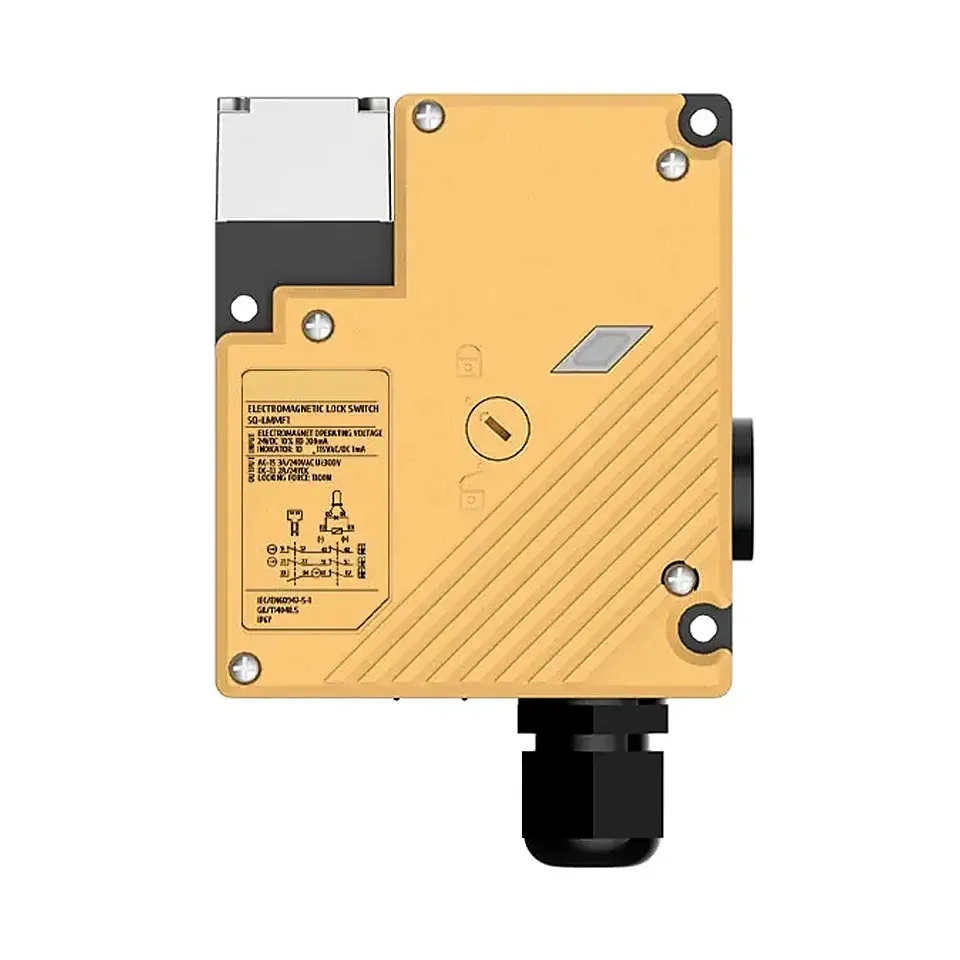
Door monitoring, guard locking, light curtains, scanners, reset position and foreseeable opportunities for defeat.
What stops, how quickly it reaches a safe state and how unexpected restart is prevented during access.
Conveyors, pallet openings, utilities, platforms, vehicle routes and adjacent equipment that affect the boundary.
A clear record of findings, assumptions, proposed measures, dependencies and items outside the guarding scope.
PUWER and guarding
Regulation 11 requires effective measures to prevent access to dangerous parts or stop movement before a person enters the danger zone.
HSE guidance describes a hierarchy beginning with fixed guards where practical, followed by other guards or protective devices where fixed guarding alone is not suitable. A guarding survey can support this work, but it does not automatically make the complete machine PUWER compliant.
| Initial screening | Identify obvious guarding gaps and decide which machines need deeper assessment first. |
|---|---|
| Guarding review | Develop the physical boundary, access strategy and protective-device requirements. |
| Risk assessment | Evaluate hazards and risk-reduction measures across the defined machine lifecycle and scope. |
| PUWER inspection | Consider broader work-equipment duties as well as guarding, controls, isolation, maintenance and use. |
Before the visit
You do not need a complete technical file to begin, but available evidence helps separate facts from assumptions.
From findings to delivery
The next step may be a simple fixed guard, a wider perimeter system or a coordinated mechanical and safety-control project.
Agree machines, modes, tasks and the required survey output.
Inspect the equipment, access routes and real production interventions.
Separate immediate concerns, project dependencies and longer-term improvements.
Develop guard layouts, access points and safety-function requirements.
Quote, install, test and hand over the agreed safeguarding work.
Planning questions
Not necessarily. A guarding survey can focus on hazardous access and the measures needed to improve it. A broader PUWER assessment also considers suitability, controls, isolation, maintenance, inspection, information, training and safe use. The proposal should define exactly what is included.
Yes, where the machine list, available time and required level of detail are agreed in advance. A screening survey can help prioritise a larger estate before detailed guarding design begins.
Often. If the hazards, dimensions, access strategy and control interfaces are sufficiently defined, the findings can be developed into a guarding layout and quotation. Complex machines may need further risk assessment or stopping information first.
It is strongly useful. Operators, setters, cleaners and maintenance personnel often reveal access tasks that are not obvious from drawings or a stopped machine.
Arrange a guarding review
Send a machine list, photographs or a layout and tell us what output you need. We will help define an appropriate survey scope.