
Coded non-contact interlocks
Useful where alignment tolerance, hygiene or low mechanical wear is important, with coding and diagnostics selected for the safety function.
Controlled machinery access
Engineer the way operators, cleaners and maintenance teams cross the guarding boundary—and define what the machine must do when they do.
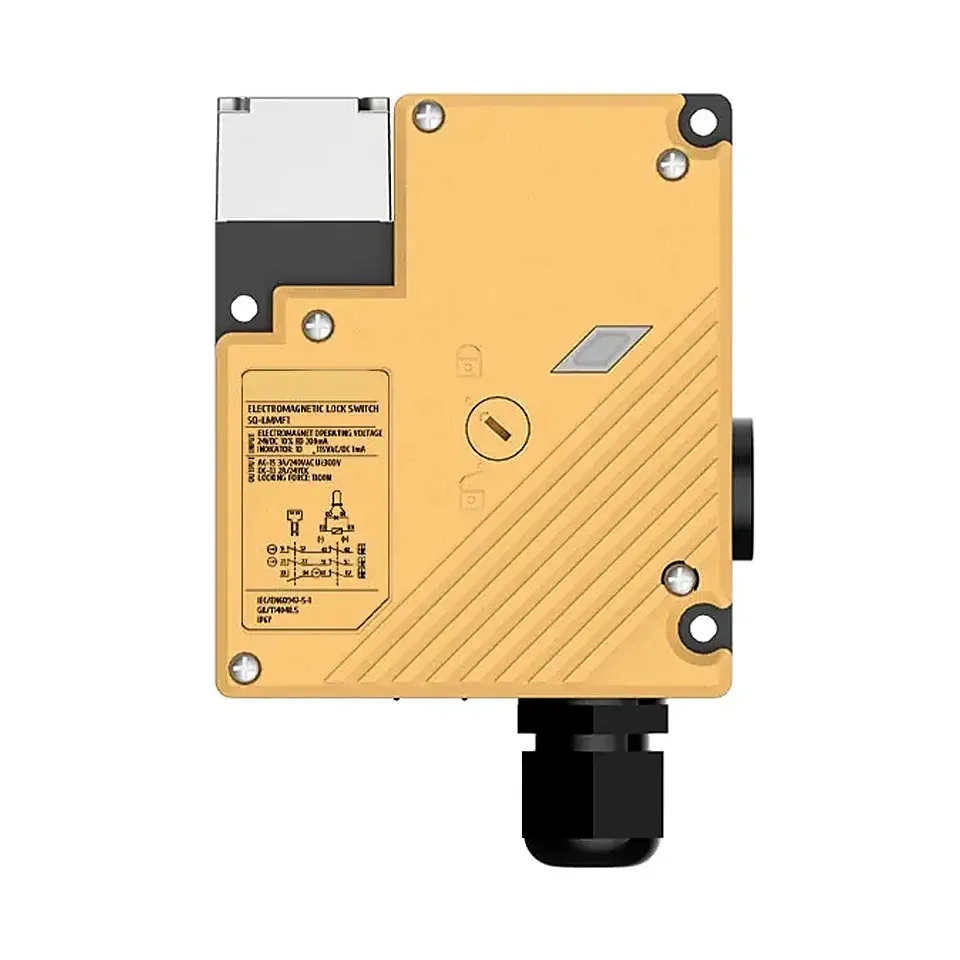
An access gate is not safe simply because it has a switch. The design must coordinate gate geometry, interlocking or guard locking, stopping time, safe-state behaviour, reset, restart prevention and possible whole-body entry. The machine-specific safety function controls the final arrangement.
Access strategy
If a routine task is awkward through the designed gate, people will look for another route. Good guarding makes the safe method the practical method.
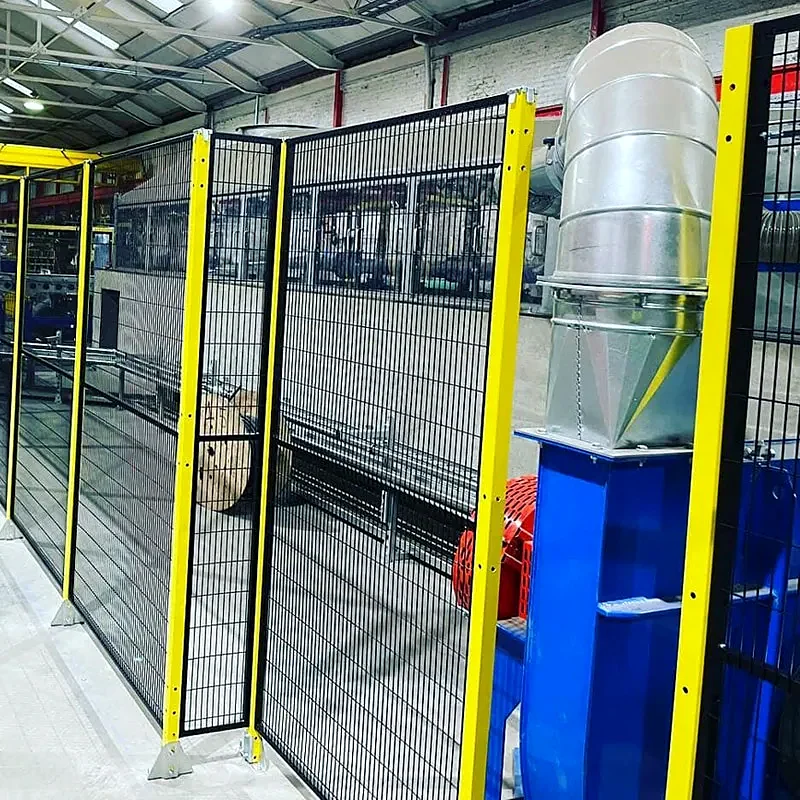
We map operating and maintenance tasks before choosing the gate. Opening width, swing or slide path, threshold, visibility, loads, frequency of use, required tools and the ability to bring parts or equipment through the boundary all influence the design.
Protective device selection
The correct device depends on the hazard, run-down time, access frequency, environment and required diagnostic performance.
Useful where alignment tolerance, hygiene or low mechanical wear is important, with coding and diagnostics selected for the safety function.
Positive mechanical actuation options applied with suitable mounting, stops and measures against foreseeable defeat.
Keep the gate locked until hazardous motion, pressure, heat or process conditions have reached an agreed safe state.
Mechanical key logic for coordinated isolation, access and restart across larger systems or multiple entry points.
Measures to support escape, prevent lock-in and control restart when a person can fully enter the guarded space.
Process device status through an architecture suited to the required performance and defined machine safe state.
Functional sequence
A complete requirement describes how access is requested, how hazards stop, when the gate may open, how presence is managed and how the machine can be made ready again.
Operator requests entry or initiates the defined stopping sequence.
Hazards reach and maintain the required safe state.
Guard locking releases only when the agreed conditions are satisfied.
Whole-body access, escape, isolation and retained energy are managed.
The gate closes and the interlock confirms the required condition.
A deliberate external reset restores readiness without causing hazardous motion.

Whole-body access
Where a person can enter and become hidden, simple gate monitoring may be insufficient.
The design may need personal keys, presence sensing, visibility aids, trapped-key sequencing, additional reset stations, time-limited search procedures or formal isolation. Emergency escape must be possible where a gate could lock a person inside.
Oxford Machine Guarding coordinates the physical door, interlocking hardware and agreed control-system interface so the final behaviour can be verified against a written requirement.
Current reference framework
BS EN ISO 14119:2025+A11:2026 addresses principles for the design and selection of interlocking devices associated with guards. Other standards may govern the guard, control system, stopping performance and overall risk reduction.
Frequently asked questions
An interlock monitors whether a guard is closed and uses that status in the machine safety function. Guard locking additionally prevents the guard from opening until release conditions are satisfied. Locking may be required where hazardous movement or another dangerous condition remains after a stop is initiated.
Yes. The device, actuator, alignment, mechanical stops and cabling must suit the gate geometry and expected use. Wide, flexible or double-leaf gates may need specific measures to ensure the closed condition is reliably monitored.
Trapped-key systems can coordinate access, isolation and sequences across larger or remote areas. Their suitability depends on the energy sources, operating sequence, number of access points and required key logic. They must be engineered as a system rather than added as padlocks.
Reset should normally be outside the safeguarded area where the person resetting can check that nobody remains inside and the hazardous zone is clear. The reset must not itself start hazardous movement, and additional measures may be needed where full visibility is not possible.
No. Escape release, emergency release, isolation and lockout are different functions. The access design should address each relevant need explicitly and include procedures for maintenance and intervention.
Start with the hazard and access task
Send a layout, photographs or a short description. Our engineering team can advise whether a desktop review, site survey or defined quotation is the right next step.