
Palletiser and depalletiser guarding
Cell fencing, access gates and pallet transfer interfaces around robots, layer equipment, lifts and conveyors.
Material handling and logistics automation
Perimeter fencing, interlocked access and product-flow interfaces for palletisers, depalletisers, conveyors, sortation and automated warehouse equipment.
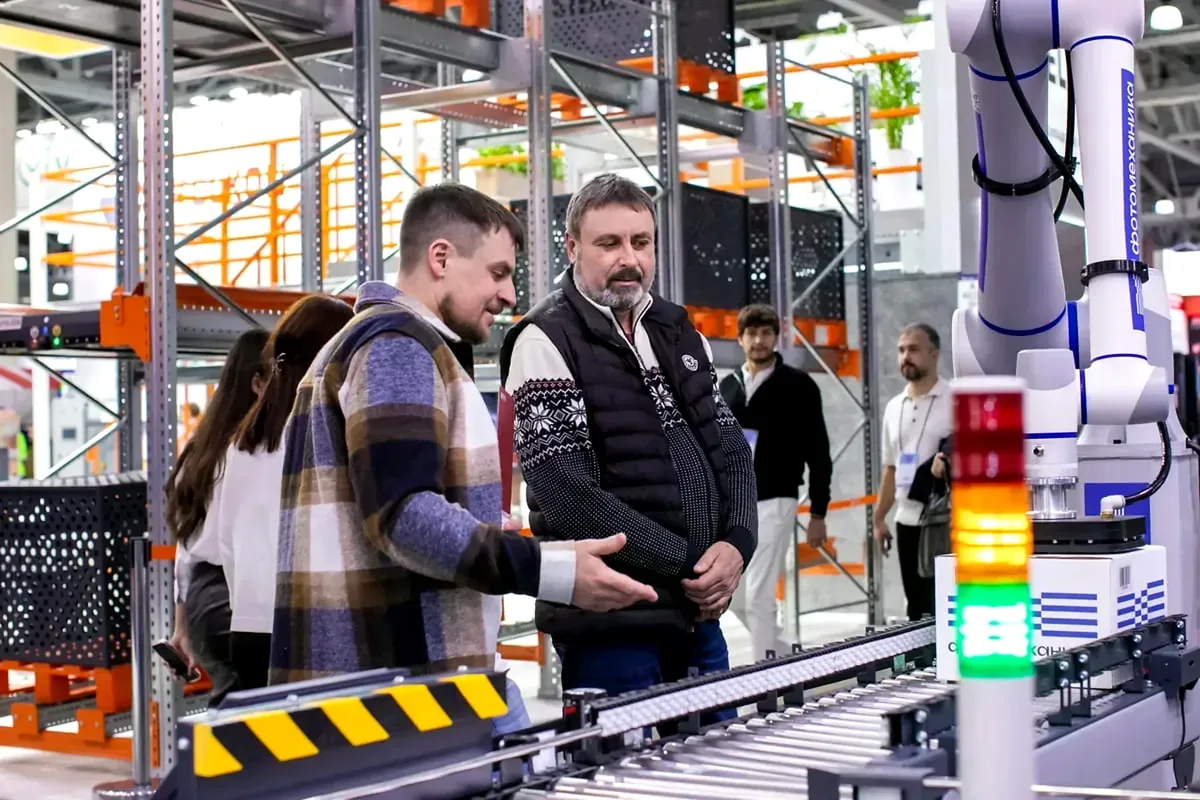
Palletiser guarding separates people from robot movement, loads, conveyors and transfer equipment while allowing pallets and products to cross the boundary safely. A complete system normally combines perimeter fencing, controlled access gates, restricted or sensed material openings, safe stopping and restart controls.
Protect the cell without blocking the flow
Logistics automation creates interfaces at floor level, across conveyors and beside pedestrian or vehicle routes.
Oxford Machine Guarding develops the perimeter around the full operating envelope: incoming product, pallet movement, rejected loads, access for film or consumables, jam recovery, maintenance and emergency escape. Each opening is assessed so that normal flow does not become an uncontrolled person-access route.
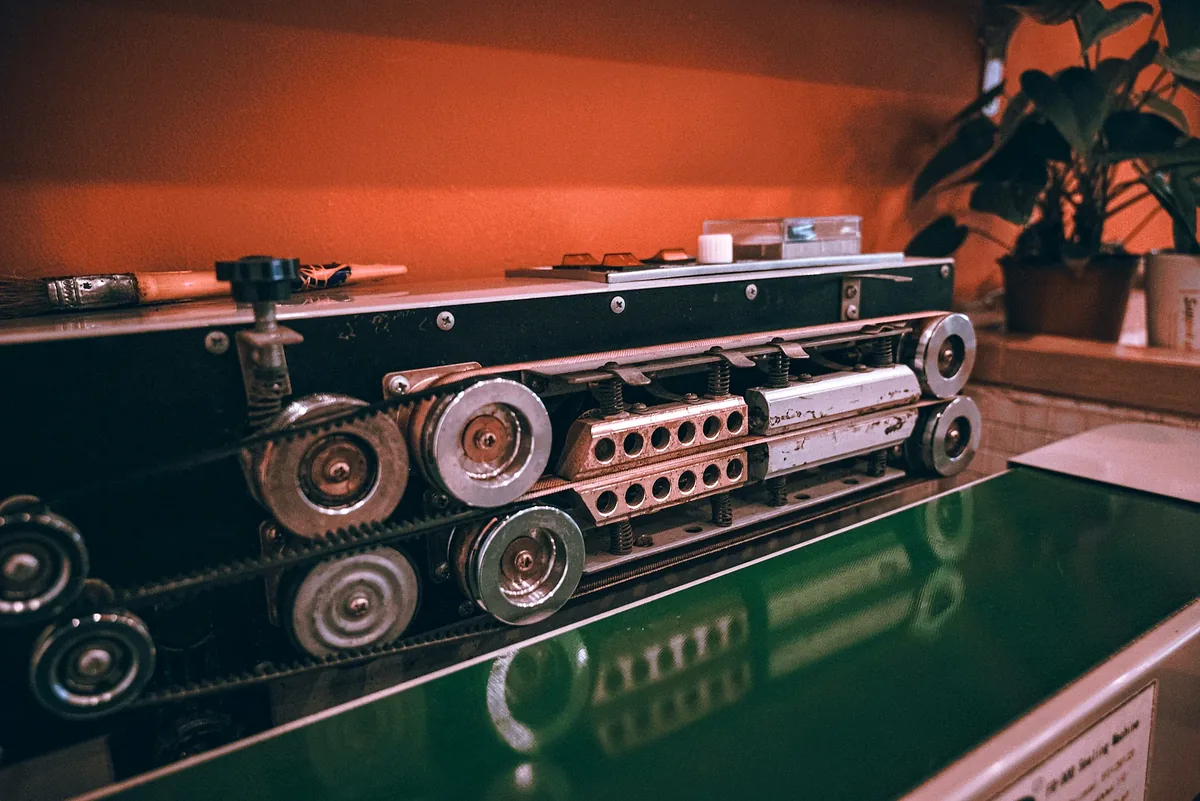
Warehouse guarding applications
The cell boundary should account for the complete linked process, not only the most visible robot or conveyor.
Cell fencing, access gates and pallet transfer interfaces around robots, layer equipment, lifts and conveyors.
Protection around drives, transfers, underside access, divert mechanisms and jam-recovery points.
Boundaries around rotating loads, film systems, strapping, hooding and connected handling equipment.
Defined separation at transfer stations, cranes, shuttles, lifts and warehouse access points.
Fixed automation areas, charging or transfer interfaces and route crossings coordinated with the wider mobile-equipment safety concept.
Guarding changes planned around live operations, legacy controls, traffic routes and restricted shutdown windows.
Pallet openings
The aperture must allow the load through without providing foreseeable access to the hazard.
The solution depends on pallet dimensions, product overhang, line speed, accumulation, approach routes and the hazard behind the opening. Options may include extended tunnels, restricted geometry, fixed infills, monitored doors or protective devices such as muting arrangements where suitable. Fault states and unusual loads must be considered as well as normal production.
| Load envelope | Maximum pallet, product overhang, unstable loads, slip sheets and damaged conditions. |
|---|---|
| Opening geometry | Width, height, tunnel length, side gaps, floor clearance and possible reach routes. |
| Protective devices | Sensing, muting or controlled doors selected and validated for the actual transfer sequence. |
| Fault recovery | Safe access for fallen product, jam clearance, damaged pallets and sensor faults. |
| Restart control | Visibility, reset position and measures for whole-body access or obscured zones. |
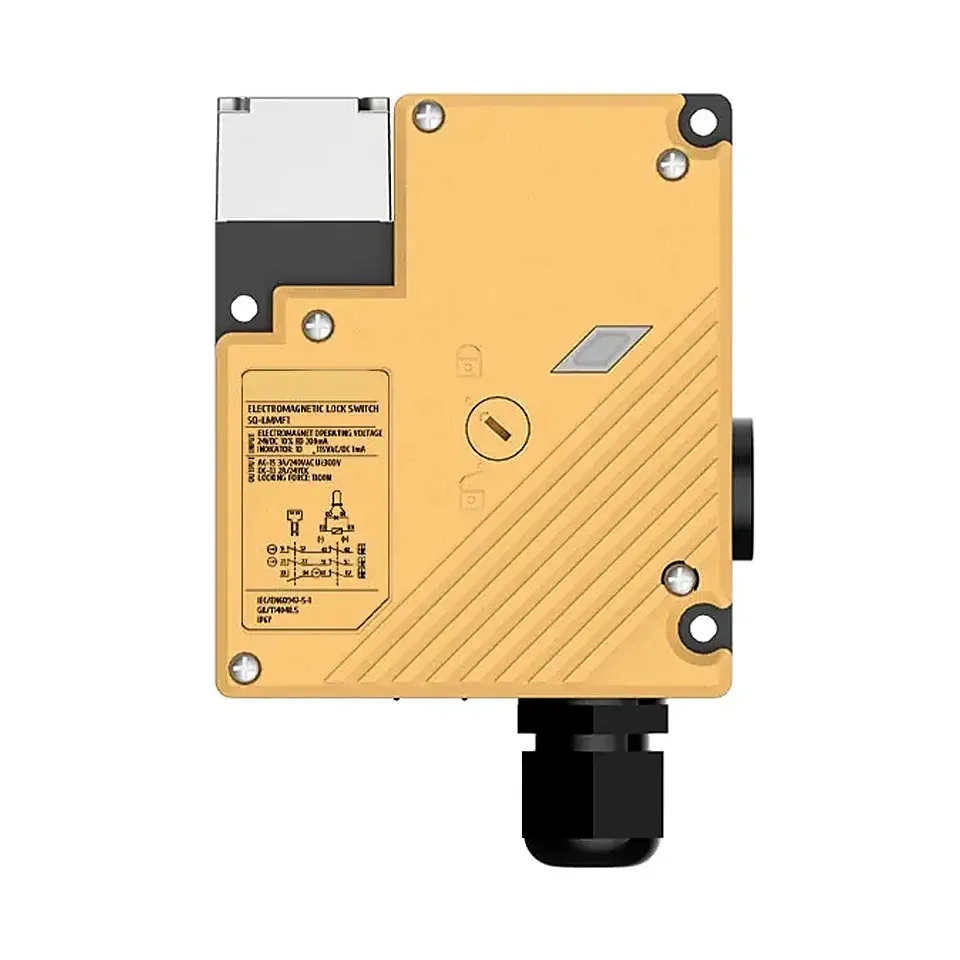
Controlled entry
Different tasks may need different entry points, safe states and methods of preventing restart.
Frequently used access may need an interlocked gate and controlled reset. A retained hazard may require guard locking. Whole-body entry can require escape release, personnel keys, presence sensing or other measures. Infrequent maintenance may be better served by a tool-removable fixed section where that matches the assessment.
Project information
A basic layout and operating description can reveal the likely guard line, access points and interfaces before a site visit.
Application questions
No. The appropriate measure depends on the opening, hazard position, product sequence and possible person access. Restricted geometry, tunnels, fixed infills, controlled doors or protective devices may form part of the solution.
Often, yes. A retrofit review should include drives, transfers, underside access, controls, maintenance tasks, traffic routes and the effect of the new boundary on fault recovery and restart.
The strategy may include interlocked or locked gates, escape release, personnel keys, external reset, visibility and presence-detection measures. The final solution follows the machine-specific risk assessment and required safety performance.
A fixed boundary can contribute to route separation, but vehicle impact, gates, crossing points, visibility and the wider traffic-management plan must be assessed separately. Standard machine-fencing components should not be assumed to be vehicle-impact barriers.
Automation guarding enquiry
Send a layout, photographs, pallet sizes and the main access tasks. We can advise whether a desktop review, site survey or defined quotation is the right next step.